
How Does Hypertension Affect Your Kidneys?
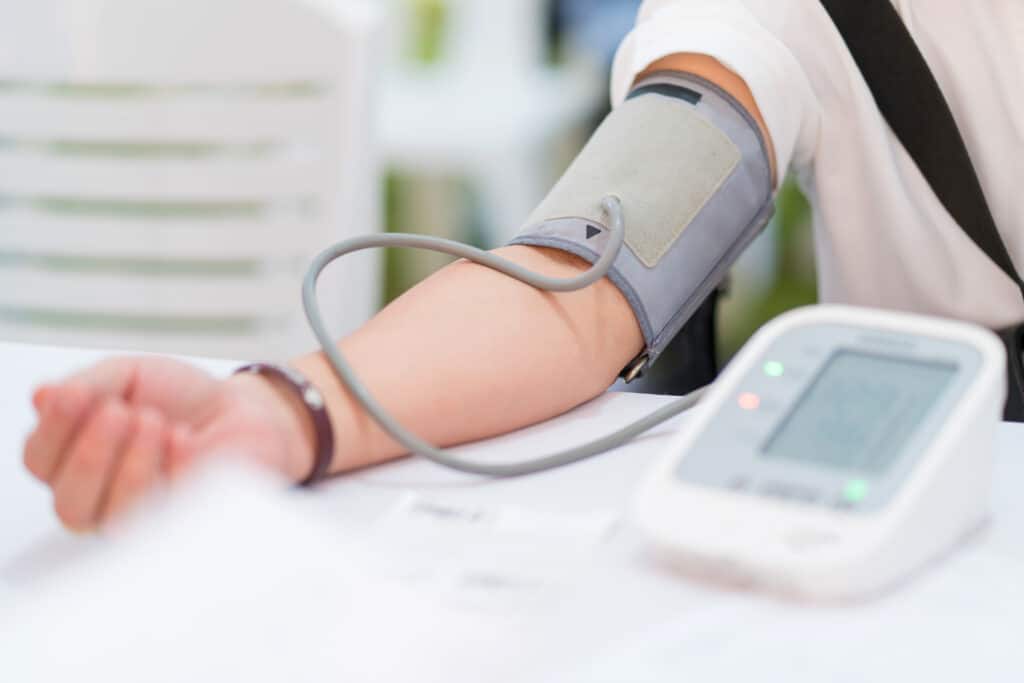
Hypertension is a common health concern affecting millions of people worldwide. The “silent killer” can lead to complications, including chronic kidney disease and even kidney failure. At Texas Advanced Renal Health, we offer hypertension treatment and trusted kidney care to enhance your health and quality of life. You can count on our team for cutting-edge, compassionate care.
What Is Hypertension?
Hypertension is the term used by medical professionals to describe high blood pressure. It occurs when the blood force pushing against the walls of your blood vessels and arteries is too high, meaning your heart has to work harder to pump blood.
Your blood pressure is measured in millimeters of mercury, or mm Hg. Readings in the 120-139/80-89 mm Hg range are considered prehypertension and require lifestyle changes. Hypertension, on the other hand, is generally a reading of 140/90 mm Hg or more. At that point, you will need medical therapy to prevent the devastating effects of hypertension on your kidneys and overall health.
High Blood Pressure and Your Kidney Disease?
The kidneys are vital organs that filter waste and extra fluids from your blood and maintain your body’s balance of electrolytes. When the blood pressure is too high, it can damage the blood vessels in the kidneys that help filter waste from the blood. When this happens, the kidneys are no longer able to remove waste and excess fluids from the body. Excess fluids can raise the blood pressure even more, creating a destructive cycle, often leading to advanced kidney disease and even kidney failure.
What Are the Signs of Hypertension?
Hypertension often goes undiagnosed because it does not usually produce symptoms unless severe. We recommend keeping up with your regular physical exams and monitoring your blood pressure at home to ensure you get prompt treatment.
Symptoms of excessively high blood pressure may include severe headaches, nosebleeds, changes in vision, chest pain, difficulty breathing, and blood in the urine. Patients often report a pounding sensation in the chest, neck, or ears. If you experience any of these symptoms, make sure to contact your trusted team at Texas Advanced Renal Health for evaluation and treatment.
What Are Signs of Kidney Damage?
Hypertension-related kidney damage may not produce noticeable symptoms in the early stages. However, as kidney function declines, patients often experience symptoms, including weakness, fatigue, swelling in the feet and legs, loss of appetite, nausea, vomiting, difficulty concentrating, and changes in urination, such as the amount, color, and frequency.
How Is Hypertension Treated and Managed?
Preventing kidney damage resulting from hypertension starts with lifestyle changes. These include consuming a kidney-healthy diet, avoiding excessive salt and processed foods, drinking plenty of water, reducing stress, exercising regularly, and maintaining a healthy weight.
Controlling hypertension may require medical treatment. We may prescribe ACE inhibitors, diuretics, ARBs, beta-blockers, or calcium channel blockers, as needed, to lower your blood pressure. We will monitor your condition and make any adjustments required in your medications to prevent the devastating effects of hypertension on your kidneys and overall health.
Hypertension Treatment in McKinney, TX
Contact Texas Advanced Renal Health to learn more about the prevention, treatment, and management of high blood pressure. Dr. Sadeddin and his team will help you manage your condition to minimize the risk of complications and kidney damage. We are committed to supporting you and your kidney health every step of the way. Call 972-548-4833 to schedule your appointment today!